Global ecommerce continues to expand in 2026, but the conditions supporting that growth are becoming more demanding.
Cross-border sellers face tighter import rules, rising fulfillment expenses, fragmented sales channels and fundamental changes in how consumers discover products. At the same time, AI shopping assistants are beginning to influence product research, comparison and purchasing decisions.
The opportunity remains significant. However, future success will depend less on launching more products and more on controlling costs, meeting compliance requirements and remaining visible across marketplaces and AI-powered interfaces.
Ecommerce Growth Remains Resilient
Online retail continues to outperform the broader retail market in major economies.
According to the U.S. Census Bureau, seasonally adjusted retail ecommerce sales reached $326.7 billion in the first quarter of 2026, rising 9.8% from a year earlier. Total retail sales increased by 3.9% over the same period, while ecommerce accounted for 16.9% of total U.S. retail sales.
Cross-border demand also remains substantial. Chinese authorities reported that approximately 140 million consumers used cross-border ecommerce platforms during the first half of 2026. Exports handled through overseas warehouses also expanded, reflecting the growing importance of localized inventory and fulfillment.
International demand has not disappeared. What has changed is the cost and complexity of serving it.
Before entering a market, sellers must consider customs duties, platform fees, advertising expenses, delivery expectations, return costs and local compliance obligations. The key question is no longer simply whether a market is growing, but whether a business can participate in that growth profitably.
Cross-Border Trade Is Becoming More Expensive
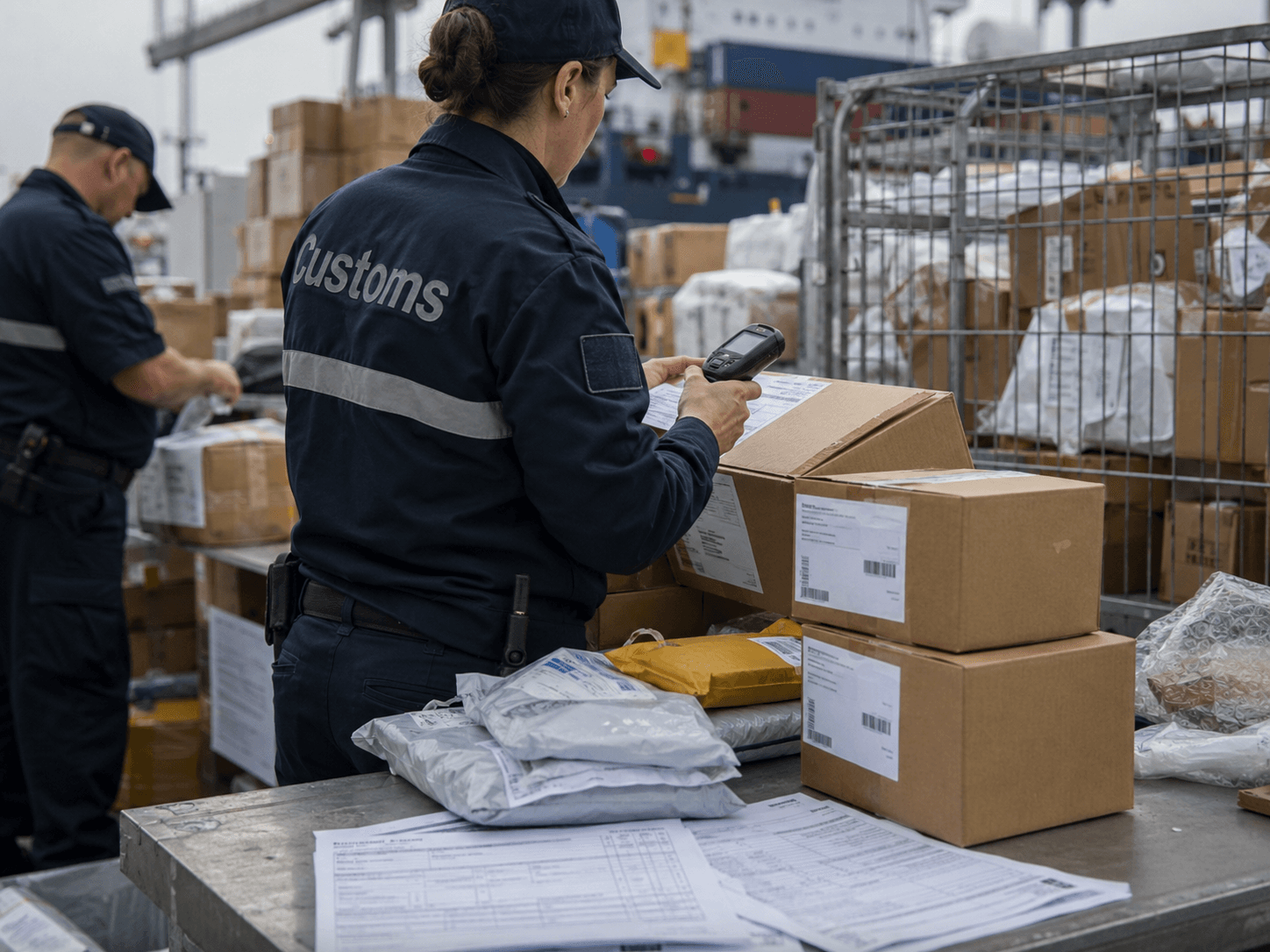
For years, many direct-to-consumer businesses relied on low-value import exemptions to deliver inexpensive products internationally. That model is becoming less predictable.
On July 1, 2026, the European Union removed the customs-duty exemption previously available to ecommerce consignments valued at no more than €150.
Until July 1, 2028, an interim €3 customs duty applies to each item based on its tariff classification contained in an eligible low-value parcel—not simply once per parcel or once per physical product. Normal customs tariffs are expected to replace this temporary arrangement when the EU’s new customs infrastructure becomes operational.
For example, a parcel containing one silk blouse and two wool blouses involves two tariff categories. It would therefore attract €6 in customs duties rather than a single €3 parcel charge.
As import exemptions narrow, inexpensive products become more difficult to operate profitably. Customs charges, delivery expenses and return costs may represent a substantial percentage of the final selling price.
Cross-border businesses should therefore calculate the complete landed cost of every order, including:
- Product and packaging costs
- International transportation
- Customs duties and import taxes
- Marketplace commissions
- Advertising expenses
- Local fulfillment fees
- Returns and customer service
- Compliance costs
The lowest factory price is no longer necessarily the strongest competitive advantage. Inventory placement, logistics efficiency and regulatory readiness increasingly determine whether a product remains commercially viable.
Revenue Growth Does Not Guarantee Profitability
Higher sales can conceal structural weaknesses in a business.
Advertising, platform commissions and fulfillment charges can rise faster than product prices. Returns can also eliminate the profit generated by several successful orders, particularly in categories with high shipping costs or narrow margins.
Sellers should therefore evaluate performance using contribution margin rather than revenue alone. A high-volume product may create little economic value after advertising, fulfillment, duties and returns are deducted. A lower-volume product with repeat purchases and fewer returns may be more valuable over time.
Operators need clear visibility into:
- Profit remaining after variable costs
- Return rates in different markets
- The quality of customers generated by each advertising channel
- The effect of local inventory on margins
- The profitability of individual products and platforms
Growth remains important, but profitable growth is becoming the more meaningful measure of success.
Platform Diversification Requires a Clear Strategy
Selling through multiple marketplaces can reduce dependence on a single platform. However, opening more stores does not automatically make a business more resilient.
Every platform has its own audience, fulfillment requirements, advertising environment and product-discovery system.
Amazon may reward products with strong conversion histories, reliable inventory and competitive delivery. TikTok Shop is more dependent on short-form content, creators and product demonstrations. A direct-to-consumer website provides greater control over customer relationships but requires the brand to generate its own traffic.
A more effective approach is to assign each channel a specific purpose:
- One marketplace may generate the majority of revenue.
- Another may test new products or geographic markets.
- Social platforms may support product awareness.
- A direct store may strengthen customer retention.
- Local distributors may simplify compliance and fulfillment.
The objective is not to operate the largest possible number of accounts. It is to build a portfolio of channels with different functions and risk profiles.
AI Shopping Is Becoming a New Discovery Channel
A significant change is happening before shoppers reach an ecommerce website.
Consumers are increasingly using AI assistants to research products, compare specifications and narrow their purchasing choices. Adyen’s 2026 U.S. retail research found that the share of consumers using AI assistants for shopping increased from 12% to 35% within a year. More than half of respondents said they would be open to allowing AI to manage the full shopping process.
Major ecommerce companies are responding by integrating conversational AI into product discovery.
In May 2026, Amazon brought together Rufus and Alexa+ to create Alexa for Shopping, combining conversational product research, personalized recommendations and broader shopping capabilities. Consumers are not yet ready to delegate every decision, but they appear more comfortable using AI to narrow their choices.
For sellers, product information must now work for human shoppers, traditional search engines and AI recommendation systems.
Tools such as BeePOP can help Amazon sellers turn basic product information into consistent listing visuals and A+ Content.
Effective listings should clearly describe:
- Materials and dimensions
- Compatibility and intended use
- Product limitations
- Safety information
- Delivery conditions
- Warranty coverage
- Distinguishing features
- Frequently asked questions
Vague descriptions and excessive keyword repetition are unlikely to perform well when AI systems compare product attributes, reviews and suitability before generating recommendations.
Product Discovery Is Moving Beyond Traditional Search
Social platforms remain important for visually demonstrable products, but the more significant change in 2026 is the movement toward AI-assisted discovery.
Shopify reported that traffic referred by AI chatbots increased more than eightfold year over year during the first quarter of 2026, while orders attributed to AI referrals grew nearly thirteenfold.
Social content should therefore support a broader discovery strategy. Creator videos, customer reviews, product demonstrations and detailed product information can collectively improve visibility across social feeds, marketplaces and AI shopping assistants.
The goal is to create consistent product information that can be understood across multiple discovery environments.
What Ecommerce Sellers Should Prioritize
The ecommerce market of 2026 rewards operational discipline more than uncontrolled expansion. Cross-border sellers should concentrate on five areas.
1. Recalculate profitability by market
Pricing decisions should include duties, returns, advertising, platform fees and local fulfillment—not just manufacturing and transportation.
2. Strengthen customs and tax compliance
Businesses should monitor policy changes and clearly identify product classifications, documentation requirements and tax responsibilities in every market.
3. Give every sales channel a purpose
Each platform should have a defined role in customer acquisition, product testing, revenue generation or customer retention.
4. Prepare product information for AI shopping
Listings should clearly communicate what a product is, who it is designed for and how it differs from competing alternatives.
5. Build faster customer-feedback systems
Reviews, customer questions and return reasons should be used to improve products, listings, packaging and customer education.
A New Phase of Ecommerce Competition
Ecommerce is not entering a period of decline. It is entering a more demanding stage of development.
International demand continues to grow, but regulatory advantages are narrowing. Marketplaces remain powerful, while product discovery is spreading across social networks, independent stores and AI shopping assistants.
The next generation of ecommerce leaders will be defined not only by how much they sell, but by how effectively they protect margins, manage regulatory risk and adapt to new forms of product discovery.
Growth is still available. Capturing it profitably now requires stronger data, better compliance and a clear understanding of how trade rules and AI shopping are reshaping the market.
FAQ
What are the biggest ecommerce trends in 2026?
The biggest ecommerce trends in 2026 include continued online retail growth, stricter rules for low-value cross-border imports, greater focus on profitability, platform diversification and the rapid development of AI shopping. Product discovery is also expanding beyond traditional search engines into marketplaces, social platforms and AI assistants.
Is ecommerce still growing in 2026?
Yes. Seasonally adjusted U.S. retail ecommerce sales reached $326.7 billion in the first quarter of 2026, representing 9.8% year-over-year growth. Total retail sales grew by 3.9%, and ecommerce accounted for 16.9% of overall retail sales.
What are the new EU customs rules for low-value ecommerce parcels?
Since July 1, 2026, the European Union has applied an interim €3 customs duty to each distinct product category in eligible imported parcels valued below €150. The charge is calculated by tariff category rather than simply once per parcel. This temporary system is scheduled to remain in place until July 1, 2028.
How is AI shopping changing ecommerce?
AI shopping is creating an additional product-discovery channel. Shopify reported that referrals from AI chatbots increased more than eightfold year over year in the first quarter of 2026. AI-referred visitors arriving on product pages also converted at nearly 50% higher rates than visitors from organic search in Shopify’s data.
How can cross-border ecommerce sellers protect their profit margins?
Sellers should calculate the complete landed cost of each product, including customs duties, transportation, platform fees, advertising, fulfillment and returns. They should also evaluate profitability separately by product, country and sales channel rather than relying on total revenue alone.
Sources
- U.S. Census Bureau — Quarterly Retail E-Commerce Sales, Q1 2026
- European Commission — Temporary Flat Fee on Low-Value Imports
- Adyen — 2026 U.S. Retail Report
- Amazon — Introducing Alexa for Shopping
- Gartner — Consumers Want AI Shopping Help, Not AI Purchase Decisions
- Shopify — AI-Referred Shoppers Convert Better and Spend More